
The psychological effects of gambling understanding the mind behind the bet
Understanding the Allure of Gambling
The psychological effects of gambling often begin with the intrinsic allure of risk and reward. For many, the thrill of placing a bet offers an intoxicating escape from reality. The anticipation of winning creates a rush of excitement, triggering the brain’s reward system and releasing dopamine. This feel-good neurotransmitter not only enhances pleasure but also reinforces the behavior, making the gambler want to repeat the experience, despite the inherent risks involved. A great place to explore this further is kingbilly-cas.com, a site that provides an impressive selection of games.
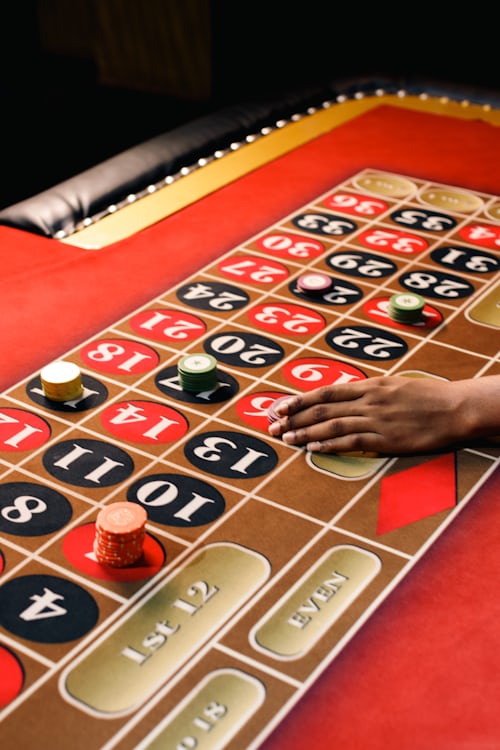
Moreover, the social aspect of gambling cannot be overlooked. Many individuals are drawn to casinos and online gaming platforms due to the social interactions they offer. The camaraderie built among players can foster a sense of community, providing emotional support and shared excitement. This social connection often amplifies the thrill, making gambling more appealing and addictive, as players seek both companionship and the exhilarating highs that come with potential wins.
Finally, gambling environments are specifically designed to stimulate engagement. The use of bright lights, enticing sounds, and engaging graphics creates a sensory-rich experience. These elements capture attention and heighten emotions, making it difficult for individuals to resist. In many cases, gamblers find themselves in a cycle of wanting to return to this stimulating environment, further embedding the psychological hold that gambling can have over them.
The Impact of Cognitive Biases
Cognitive biases play a significant role in the way gamblers perceive their chances of winning. One common bias is the illusion of control, where individuals mistakenly believe they can influence outcomes in games of chance. This leads many to take risks they wouldn’t normally consider, as they underestimate the role of luck. For instance, a player may think they can “sense” when a slot machine is about to pay out, driving them to gamble more than they should.
Another prevalent cognitive bias is the gambler’s fallacy, where individuals believe that past events influence future outcomes. For example, if a roulette wheel has landed on red several times in a row, a gambler may assume that black is “due” for a win. This misinterpretation of randomness can lead to reckless betting behaviors and significant losses, as players continue to chase perceived patterns that don’t exist.
The impact of these cognitive biases can be detrimental. Gamblers often find themselves justifying their continued play even when losses accumulate, leading to a cycle of chasing losses. This behavior is not only financially harmful but also contributes to a deteriorating mental state, as the expectation of a win becomes a driving force in their gambling journey.
The Emotional Rollercoaster of Gambling
Gambling elicits a wide array of emotions, ranging from elation to despair. Winning a bet brings a sense of joy and fulfillment, bolstering confidence and temporarily overshadowing any negative consequences. This emotional high is often followed by the intense lows of losing, which can lead to feelings of regret and guilt. This emotional rollercoaster can create a harmful dependency, as gamblers chase the high of a win while grappling with the weight of losses.
The ups and downs of gambling can also significantly impact mental health. Persistent gambling can lead to anxiety and depression, as individuals struggle to cope with the financial and emotional fallout. The pressure to recover losses often exacerbates these feelings, creating a vicious cycle that is difficult to break. Many individuals find themselves trapped in a cycle of despair, with gambling acting as a temporary escape that ultimately intensifies their emotional turmoil.
Additionally, the emotional effects of gambling can extend beyond the individual to impact relationships with family and friends. The secrecy and shame surrounding gambling behaviors can lead to isolation. Loved ones may feel the strain as the gambler prioritizes their betting activities over their relationships, creating tension and conflict. This emotional fallout can lead to a further spiral into compulsive gambling, emphasizing the need for awareness and support.
The Role of Environmental Factors
The environment in which gambling occurs significantly influences the psychological effects on individuals. Casinos, both physical and online, are designed to maximize engagement and minimize distractions. Features like free drinks, comfortable seating, and lack of clocks are strategically implemented to keep players immersed for longer periods. This environment can create a sense of disorientation, making it difficult for gamblers to gauge the passage of time and their own spending.
Online gambling platforms further amplify these effects by offering convenience and accessibility. Players can gamble from the comfort of their homes or on-the-go, leading to increased frequency and duration of play. This constant availability can make it challenging for individuals to set limits, often resulting in impulsive decisions. The blurring of boundaries between gambling and daily life can create an environment ripe for addiction.
Moreover, promotional tactics, such as bonuses and free spins, are employed to entice players into gambling more frequently. These incentives can manipulate perceptions of value and encourage excessive betting. With the allure of quick financial gain, many gamblers find themselves drawn deeper into a cycle of betting, driven by the psychological motivations created by their environment.

Conclusion: Exploring King Billy Casino’s Commitment to Responsible Gaming
King Billy Casino provides an exemplary model of a gaming environment that prioritizes responsible gambling. With a wide array of games and an attractive welcome package, the casino aims to create a fulfilling experience while ensuring player safety. Understanding the psychological effects of gambling is crucial, and King Billy takes significant steps to foster a safe gaming atmosphere.
The casino is committed to transparency and support for its players. With robust tools for responsible gaming, such as self-exclusion options and limits on deposits, it enables players to maintain control over their gambling habits. This proactive approach helps mitigate the risks associated with gambling, allowing individuals to enjoy their gaming experience without compromising their mental and financial well-being.
Ultimately, the psychological effects of gambling are profound and multifaceted. By promoting awareness and providing a supportive environment, King Billy Casino strives to ensure that players can engage in gaming responsibly. Understanding the mind behind the bet can lead to healthier gambling practices and a more enjoyable experience for all involved.

Leave A Comment