
Understanding psychological triggers in gambling behavior
Defining Psychological Triggers in Gambling
Psychological triggers in gambling are the mental stimuli that provoke an emotional response, influencing a person’s gambling behavior. These triggers can stem from various factors, including social interactions, personal experiences, and environmental cues. Understanding these triggers is crucial for recognizing patterns that may lead to problematic gambling habits. For those interested, exploring uk betting sites can provide valuable insights into responsible gambling practices.
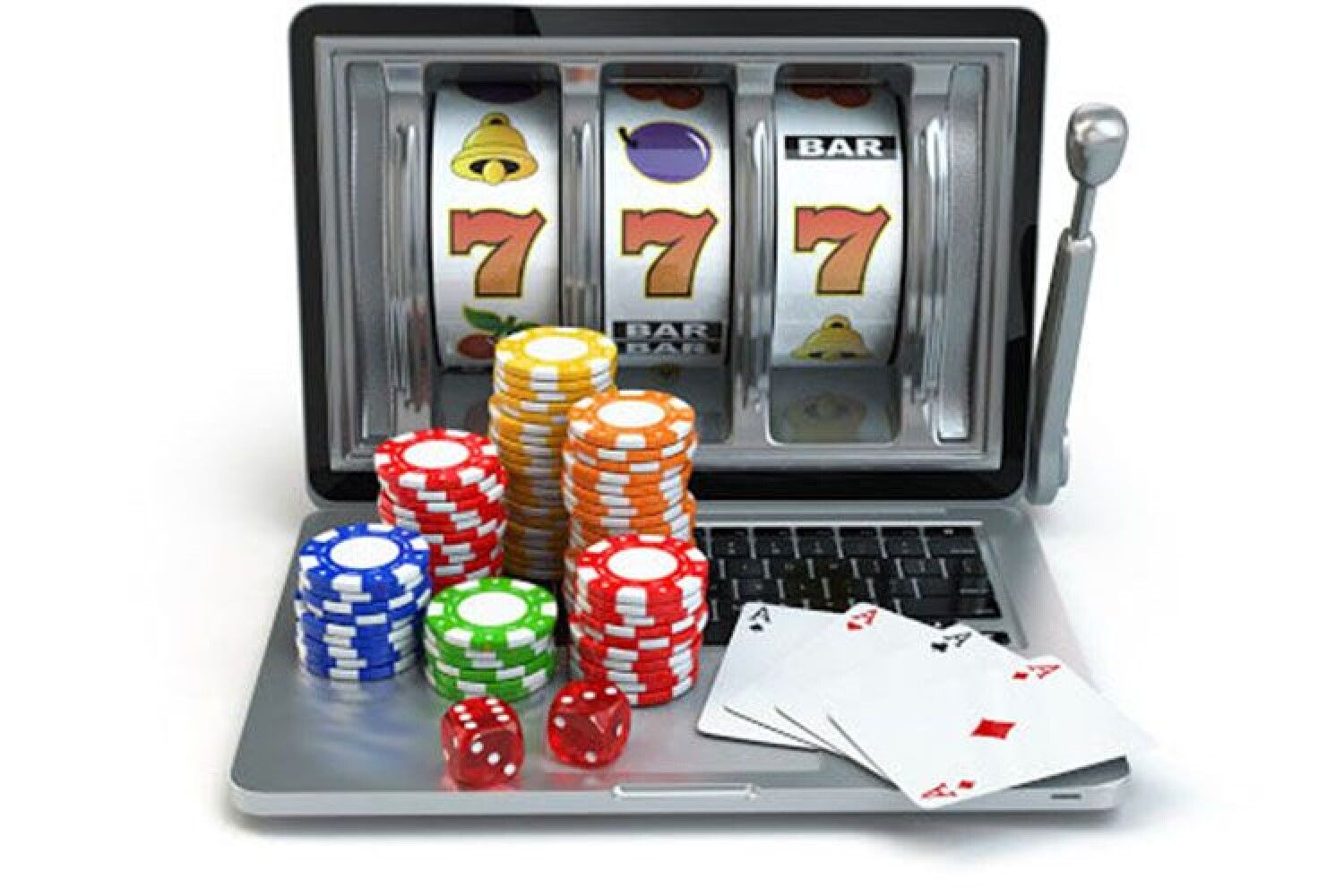
Common psychological triggers include the excitement of winning, the desire for social acceptance, and the thrill of risk-taking. Each of these elements can create a cycle that entices individuals to gamble more frequently or in larger amounts, often without considering the potential consequences.
The Role of Emotions in Gambling Decisions
Emotions play a pivotal role in gambling behavior, often serving as a catalyst for decision-making. Feelings of happiness, anxiety, or even boredom can influence when and how much a person decides to gamble. For instance, someone feeling stressed may turn to gambling as a form of escape, while another individual might gamble when they are feeling particularly euphoric after a recent win.
This emotional interplay underscores the importance of self-awareness in gambling. Recognizing how emotions can affect decisions allows individuals to make more informed choices, potentially reducing the risk of developing unhealthy gambling habits.
The Influence of Cognitive Biases
Cognitive biases are systematic errors in thinking that can affect decisions and judgments. In gambling, biases such as the illusion of control and gambler’s fallacy can significantly influence behavior. The illusion of control leads individuals to believe they have more influence over the outcome of games than they actually do, while the gambler’s fallacy makes people think that past results can predict future outcomes.
These cognitive distortions can perpetuate gambling behavior, as individuals may continue to wager based on flawed reasoning. Understanding these biases is essential for recognizing and mitigating their effects, thereby promoting healthier gambling practices.
Social Factors and Their Impact on Gambling
Social factors, including peer pressure and societal norms, can strongly impact an individual’s gambling behavior. Being surrounded by friends or family who gamble can create an environment where gambling is normalized, making individuals more likely to participate. Social gatherings often include gambling activities, reinforcing the notion that it is a socially acceptable pastime.
Additionally, the portrayal of gambling in media can influence perceptions and behaviors. Positive representations can lead to an increased desire to gamble, while negative consequences are often downplayed. Understanding the role of social influences can help individuals become more aware of their gambling choices and the motivations behind them.

Exploring Resources for Responsible Gambling
For individuals seeking to understand and manage their gambling behavior, various resources are available. Websites dedicated to responsible gambling provide insights into the psychological triggers that can lead to excessive gambling. These resources often include educational materials, support groups, and self-assessment tools designed to help individuals recognize harmful behaviors.
Engaging with these resources is crucial for anyone looking to maintain a balanced approach to gambling. By staying informed and utilizing available tools, individuals can enhance their gambling experience while reducing the risk of developing problematic habits.

Leave A Comment